Bedding Ideas That Will Completely Transform How You Sleep (and Live)
The bedroom is the only room in the house that exists entirely for you. Not for guests, not for entertaining, not for productivity theater. Just you, and the hours you spend in it every single day. Yet most people spend more time choosing a sofa — a piece of furniture they park guests on — than they do thinking about what they actually sleep in, under, and on top of every night of their lives.
That ends here.
This isn't a listicle of pretty Instagram beds you'll screenshot and forget. These are real, considered bedding ideas — from layering techniques to fabric science to color theory — that work in actual bedrooms, for actual people who sweat, read in bed, own pets, and sometimes eat crackers under the covers. No judgment.
Why Bedding Deserves More Than an Afterthought
Walk into any interior design showroom and the beds look impossibly lush — stacked with pillows no one would sleep on, draped in linens that cost more than a weekend away. It's aspirational and utterly useless as practical guidance.
The gap between a beautiful bed and a livable bed is where most bedding advice falls apart. Good bedding ideas close that gap. They start with understanding that your bed is furniture you use more than any other object in your home. You spend roughly a third of your life there. The quality of what surrounds you during those hours directly affects sleep quality, temperature regulation, mood upon waking, and — this sounds dramatic but it's true — your relationship with your own bedroom.
A bed that feels like a retreat makes you want to go to it. A bed that's just a mattress with a duvet thrown on top is something you collapse into and escape from in the morning. The difference is almost entirely in the bedding.
Start With the Foundation — Sheets That Actually Matter
Everything begins with the sheet. Not the duvet cover. Not the decorative throw. The sheet — the thing that actually touches your skin for eight hours.
Thread Count Is a Marketing Myth (Mostly)
Thread count became a selling point in the 1990s and has been misleading people ever since. The logic seemed clean: more threads per square inch equals better quality. The reality is more complicated. Manufacturers figured out they could inflate thread count by using multi-ply threads — essentially counting each strand of a twisted thread separately — and suddenly a mediocre sheet could claim a thread count of 1,000.
What actually matters is the fiber quality and the weave type.
Egyptian cotton, Pima cotton, and Supima cotton produce longer fibers (called long-staple cotton) that result in smoother, stronger, more durable sheets. A 400 thread count sheet in genuine long-staple cotton will sleep better than an 800 thread count sheet in short-staple cotton. Always.
Percale vs. Sateen — Choosing Your Weave
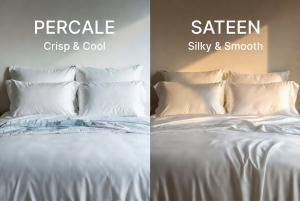
This is one of the most underrated bedding ideas in the practical sense: understanding the difference between percale and sateen weaves, because it determines how your sheets feel, breathe, and age.
Percale is a one-over, one-under plain weave. It produces a crisp, cool, matte finish that gets better with every wash. If you sleep hot, if you live somewhere warm, or if you simply prefer the feeling of hotel sheets in the good kind of way — clean, fresh, a little structured — percale is your answer.
Sateen uses a one-under, three-over weave, which floats more threads on the surface. The result is that lustrous, silky, slightly heavier feel. Sateen drapes beautifully. It photographs beautifully. It's warmer than percale, slightly more prone to pilling over time, and genuinely luxurious if you sleep cold and love that wrapped-in-warmth sensation.
Neither is objectively better. They're different experiences. Many people keep both and switch seasonally, which is genuinely one of the best bedding ideas for year-round comfort.
Linen Sheets — The Long Game
Linen sheets feel rough at first. Scratchy, even. New linen sheet owners sometimes wonder if they've made a catastrophic mistake.
Give them six months.
Linen is made from flax fibers and has a completely different aging trajectory than cotton. It softens with every wash, becoming progressively more supple while remaining incredibly breathable. Linen is naturally temperature-regulating — it absorbs moisture and dries quickly, making it exceptional for hot sleepers and warm climates. It also has a lived-in, textural quality that suits relaxed, organic bedroom aesthetics better than anything else on the market.
If you're buying linen sheets, buy them with the intention of keeping them for a decade. They'll earn it.
Duvet and Comforter Ideas That Change Everything
The duvet situation in most bedrooms is this: one duvet, one cover, used year-round regardless of season. It works, technically. But it's like wearing the same weight coat in January and July and calling it climate management.
The European Two-Duvet System
Scandinavians and Germans have been doing this forever, and it deserves wider adoption. Instead of one large duvet shared by two people — which inevitably becomes a nightly tug-of-war and a compromise on warmth levels — each person gets their own duvet. Two single duvets instead of one king or queen.
Each person chooses their own fill weight. The bed is made with both duvets laid side by side, covered by a light throw or folded blanket during the day. At night, you each have exactly the warmth you need. No negotiation. No stealing. No one sleeping too hot because their partner runs cold.
This is one of those bedding ideas that sounds too simple to be life-changing, until you try it.
Fill Power and Fill Weight — What They Actually Mean
For down and down-alternative duvets, two numbers matter: fill power and fill weight.
Fill power measures the loft — how much space one ounce of down occupies. Higher fill power (600–800+) means the down clusters are larger and trap more air per ounce, creating more warmth with less weight. A high fill power duvet is light and airy while being genuinely warm. Low fill power duvets need more down to achieve the same warmth, making them heavier.
Fill weight is the total amount of fill in the duvet. This determines the overall warmth level. For a queen duvet, a fill weight of around 25–30 oz in 700 fill power produces a medium-warmth duvet. Go lower for summer-weight; higher for winter.
The combination of high fill power and appropriate fill weight gives you a duvet that feels almost weightless but keeps you warm — the defining characteristic of genuinely great bedding ideas put into practice.
Wool and Alternative Fills
Down allergies are common, and even those without them sometimes prefer alternatives. Wool duvets are extraordinary temperature regulators — they absorb moisture, release it, and adapt to your body temperature in a way that synthetic fills simply don't replicate. Wool sleeps cooler than most people expect and warmer when the temperature drops.
Eucalyptus fill (Tencel-based) is a newer option that's genuinely impressive for hot sleepers. Silk duvets are lightweight, hypoallergenic, and lustrous, though they don't perform as well in very cold conditions.
Layering — The Art of the Bed
A made bed with one duvet and two decorative pillows is fine. A bed that's been thoughtfully layered is an entirely different experience — visually and physically.
The Anatomy of a Layered Bed
Great layering in bedding ideas typically follows a loose structure:
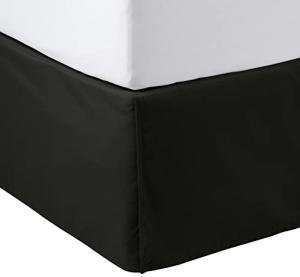
Base layer: Your fitted sheet, tightly secured. If your fitted sheet bunches, slides, or pops off corners, start here — deep-pocket fitted sheets with elastic all the way around (not just at corners) solve this permanently.
Middle layer: The top sheet is optional. Some people love it; many don't use it. If you do, a crisp percale top sheet adds a layer you can adjust throughout the night. In cooler months, this is where a lightweight wool or cotton blanket earns its place — draped across the lower two-thirds of the bed, folded back to reveal the sheets beneath.
Main layer: Your duvet or comforter. This does the primary thermal work.
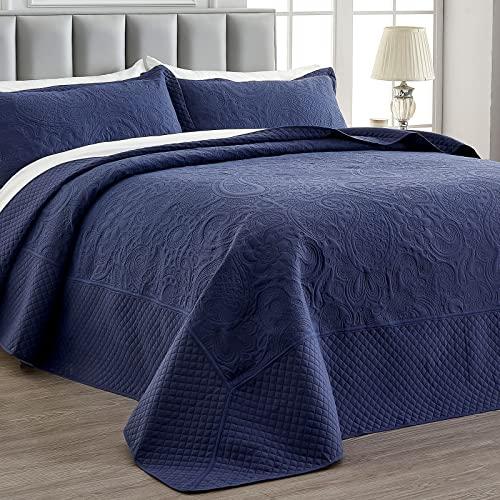
Top layer: A linen or cotton coverlet, a woven throw, or a quilt folded at the foot of the bed. This is partially decorative, partially functional — something to pull up when the duvet feels like too much but bare sheets feel like too little.
This structure gives you genuine thermal control without just piling on mismatched blankets.
The Fold-Down
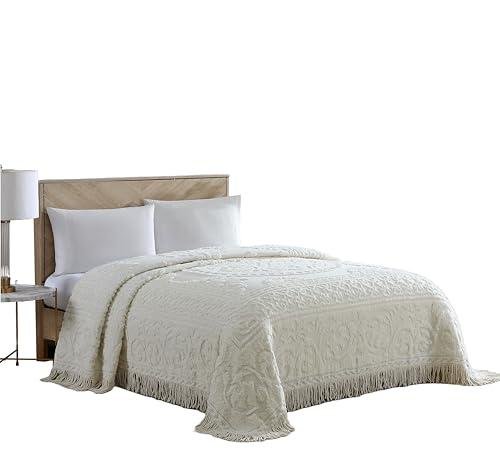
One specific technique that elevates a made bed significantly: the fold-down. Fold your duvet cover back on itself by about 30–40 cm, revealing the top sheet or a contrasting inner layer beneath. It creates depth, suggests care, and looks professionally done without requiring any skill. If your duvet cover and top sheet are slightly contrasting — a white duvet over a warm oat sheet, for instance — the fold-down becomes a real design moment.
Color and Pattern in Bedding Ideas
Color in the bedroom is personal in a way it isn't in other rooms. The bedroom doesn't need to perform for anyone else. This is where you actually get to choose based on what makes you feel good.
Neutrals Done Right
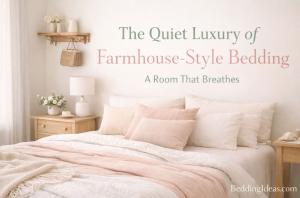
Neutrals dominate bedroom aesthetics for good reason: they're calming, they age well, and they make sleep-promoting environments. But neutrals done lazily are just beige. Neutrals done well are a study in texture and tone.
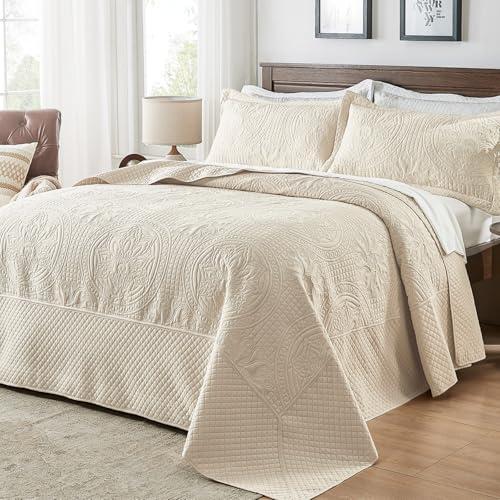
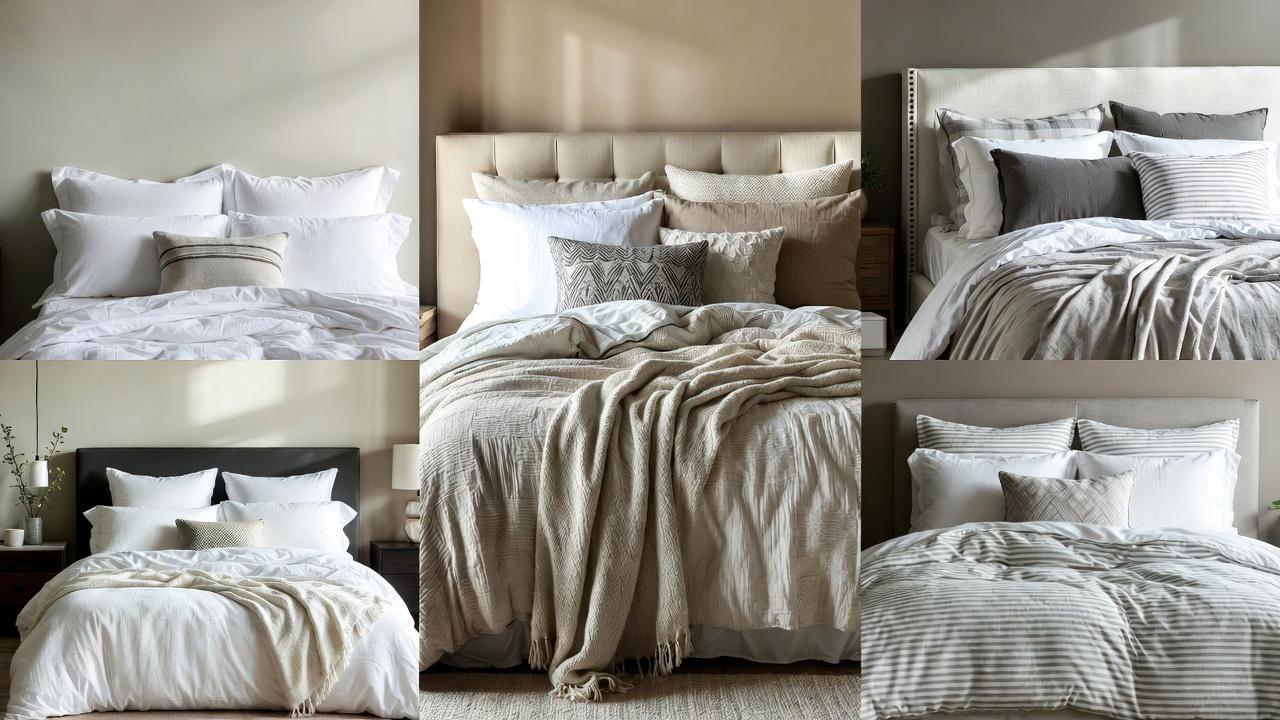
The key to neutral bedding ideas is variation within the palette. Not five different shades of beige — that's just beige. But a white percale sheet under an oatmeal linen duvet cover under a warm taupe waffle-knit throw — that's tonal layering. It's cohesive without being flat. Every element is technically neutral, but together they create visual interest through texture contrast.
Warm neutrals (cream, oat, linen, warm white) suit rooms with wooden floors and warm-toned walls. Cool neutrals (bright white, stone, slate, cool grey) suit rooms with cool or grey tones, or minimalist aesthetics.
The Case for Color
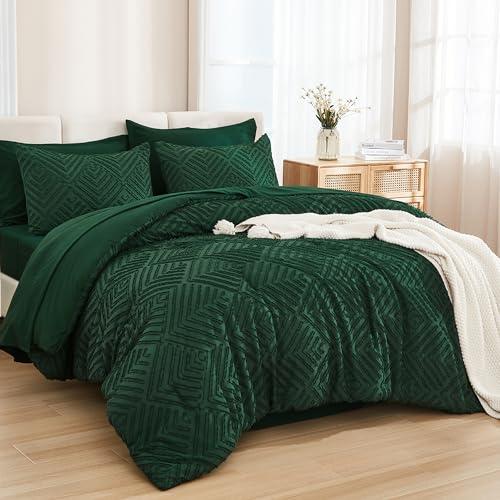
Neutral bedrooms get most of the editorial coverage, but there's a genuine argument for color in bedding. Deep, saturated tones — forest green, terracotta, dusty rose, ink blue, burgundy — used in duvet covers or pillowcases create moody, enveloping spaces that feel designed rather than defaulted to.
The approach that works best: one statement piece in a saturated color (usually the duvet cover) with everything else in complementary neutrals. A deep forest green duvet on cream linen sheets with white euro shams. A terracotta duvet on warm white sheets with a rust-toned throw. The color anchors the room; the neutrals prevent it from feeling heavy.
Pattern — When to Use It and When to Stop
Pattern in bedding is a commitment. A bold geometric or floral duvet cover will dominate the room. That can be wonderful or overwhelming depending on what else is happening in the space.
One practical rule for bedding ideas involving pattern: if the walls are patterned, keep the bedding solid. If the bedding is patterned, keep the walls solid or neutral. The bedroom needs one dominant visual layer. Two patterns competing for attention creates a room that feels busy in a way that doesn't support rest.
Subtle patterns — fine stripes, tonal textures, small-scale prints — can layer more freely because they read as texture from a distance rather than pattern.
Pillows — The Underrated Element
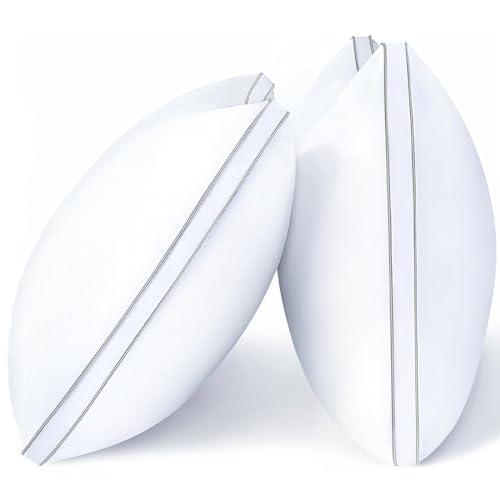
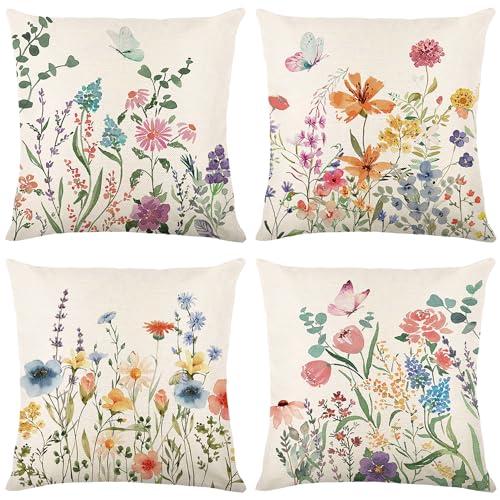
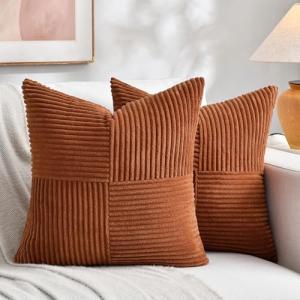
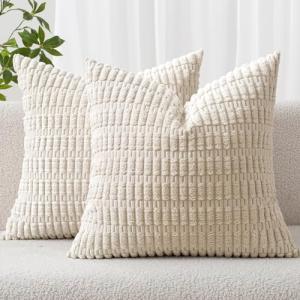
People have opinions about their sleep pillow but almost none about their decorative bedding pillows, which is the wrong way around. The sleep pillow needs to support your neck and match your sleeping position. The bedding pillows are where you actually make design decisions.
The Pillow Arrangement Question
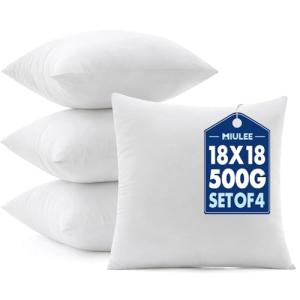
Euro shams (the large square cushions) behind standard sleeping pillows have become the default, and they work well because of the height they create. But the rigid symmetrical arrangement — two euros, two standards, two decorative throws — has been done so many times it's almost invisible now.
More interesting arrangements: one oversized euro in the center for a single bed, creating an asymmetric look. Or skipping euro shams entirely and simply leaning the sleeping pillows against the headboard with one long bolster in front. Or using an odd number of pillows — three — rather than always defaulting to pairs.
Pillowcase Fabric Deserves Attention
Pillowcases are one of the bedding ideas that have the highest impact per pound. Your face is on them every night. The fabric matters.
Silk pillowcases have legitimate claims beyond marketing: they create less friction against skin and hair than cotton, which genuinely reduces sleep lines and hair breakage over time. They're cool to the touch initially and regulate to body temperature quickly. If you have long hair, a silk or satin pillowcase is a near-unanimous recommendation.
Washed linen pillowcases are at the other end of the spectrum — textural, lived-in, slightly rough in the best way. They breathe exceptionally well.
Seasonal Bedding Ideas — Rotating with the Year
The single greatest improvement most people can make to their sleep experience costs nothing beyond the initial investment: a proper seasonal bedding rotation.
Summer Bedding
Summer bedding should prioritize breathability above all. A percale or linen top sheet without a duvet — just the sheet as the primary cover — is often enough in genuinely warm weather. If a layer beyond the sheet is needed, a lightweight cotton or bamboo blanket is the move.
Mattress protectors in summer deserve attention too. A cooling mattress protector with a breathable cover — rather than the waterproof plastic-backed ones that trap heat — can make a dramatic difference in summer sleep temperatures.
Transitional Season Bedding
Spring and autumn are the most interesting seasons for bedding ideas because the temperature shifts within a single night. A mid-weight duvet (around 7–9 tog in European sizing) with the folded throw at the foot works beautifully: enough warmth for the cold pre-dawn hours, with the throw available to add or remove as needed.
Winter Bedding
Winter is where layering fully justifies itself. A heavyweight duvet (12–15 tog) plus a wool blanket between the sheet and duvet plus a throw at the foot — that's a genuinely warm bed. If you're in a cold climate with poor heating, adding a brushed cotton (flannel) bottom sheet underneath the main sheet adds meaningful insulation from below.
Flannel sheets are one of those divisive bedding ideas — people either love them or find them too hot and clingy. They're not for warm sleepers. But for cold sleepers in winter climates, the difference between sliding into cold percale sheets and warm flannel sheets on a January night is not trivial.
Sustainable and Ethical Bedding Ideas
The bedding industry has a significant environmental footprint — cotton production is water-intensive, synthetic fills are petroleum-based, and fast-fashion bedroom décor turns over constantly. Sustainable bedding ideas aren't just good for conscience; they're often better products.
GOTS and OEKO-TEX Certifications
Global Organic Textile Standard (GOTS) certification means the entire production chain — from fiber to finished product — meets organic and ethical standards. OEKO-TEX Standard 100 certifies that the finished textile contains no harmful chemicals. Both are reliable shortcuts in a market full of vague "natural" and "eco-friendly" claims.
Buy Less, Buy Better
The most sustainable approach to bedding is also the most economically sound in the long run: buy fewer, better items and keep them for longer. Two sets of genuinely high-quality linen sheets will outlast five sets of cheap cotton ones, generate less waste, and sleep better throughout. The initial investment is higher; the lifetime cost is lower.
Linen, wool, and down are all naturally biodegradable. Synthetic fills and microfiber sheets are not. Given that bedding is eventually discarded, the end-of-life consideration matters.
The Bed That Makes Itself (Almost)
One last, practical group of bedding ideas — the ones that make the daily ritual of making a bed faster, easier, and more consistent.
A duvet insert that exactly fills its cover (rather than a smaller insert in a larger cover) removes the daily fight with bunching filling. Duvet cover ties at the internal corners — or a duvet with corner loops that attach to the cover — keep everything in place.
A properly sized fitted sheet with all-around elastic means the bottom of the bed stays made. A simple, flat arrangement of pillows rather than an elaborate decorative stack means the bed can be made in under two minutes without sacrificing appearance.
The best beds aren't just beautiful. They're systems — considered, intentional, built around how you actually live in them.
Bringing It All Together
There's no single right answer in bedding ideas. A minimalist who sleeps cool needs different bedding than a warm sleeper who loves a layered, cocooning bed. Someone in a humid coastal climate needs different fabrics than someone in a dry mountain environment.
What ties all of this together is the principle of intentionality. Choose what you sleep in the same way you'd choose anything else you use every single day — with real information, personal consideration, and a willingness to invest appropriately in something that directly affects your health and daily experience.
Your bedroom is the most used room in your house. The bed is its center. The bedding is what makes it either a recovery space or just a place you sleep.
Make it a recovery space. You'll notice the difference by morning.
Whether you're starting from scratch or refining what you have, the best bedding ideas are the ones you'll actually live in — night after night, season after season, for years to come.